
Warehouse Security in Colorado Springs: How to Stop Theft Before It Leaves the Dock
November 6, 2026
Most warehouse theft does not look like a movie heist. Nobody cuts a fence at 2 a.m. and drives off with a truckload of freight. It looks like a pallet that was supposed to be 48 units and turns out to be 44. It looks like a driver who waves at the gate, a side door propped open for a smoke break, or a forklift that is sitting somewhere it should not be on a Sunday. By the time the count comes up short, the moment that mattered is long gone.
If you run a warehouse, distribution center, or industrial yard in Colorado Springs, you already know how much is moving through your property in a day. Trucks, vendors, temps, regulars, deliveries that are early, deliveries that are late. That constant motion is exactly what makes a facility hard to protect. This guide walks through where warehouses actually lose product, what a smart security setup looks like, and how to decide how much coverage you really need.
Where Warehouses Really Lose Inventory
It helps to be honest about the sources of loss, because they are not always the ones owners worry about first. Outside burglary is real, but it is usually not the biggest line on the loss report. Here is where the leaks tend to show up.
The loading dock
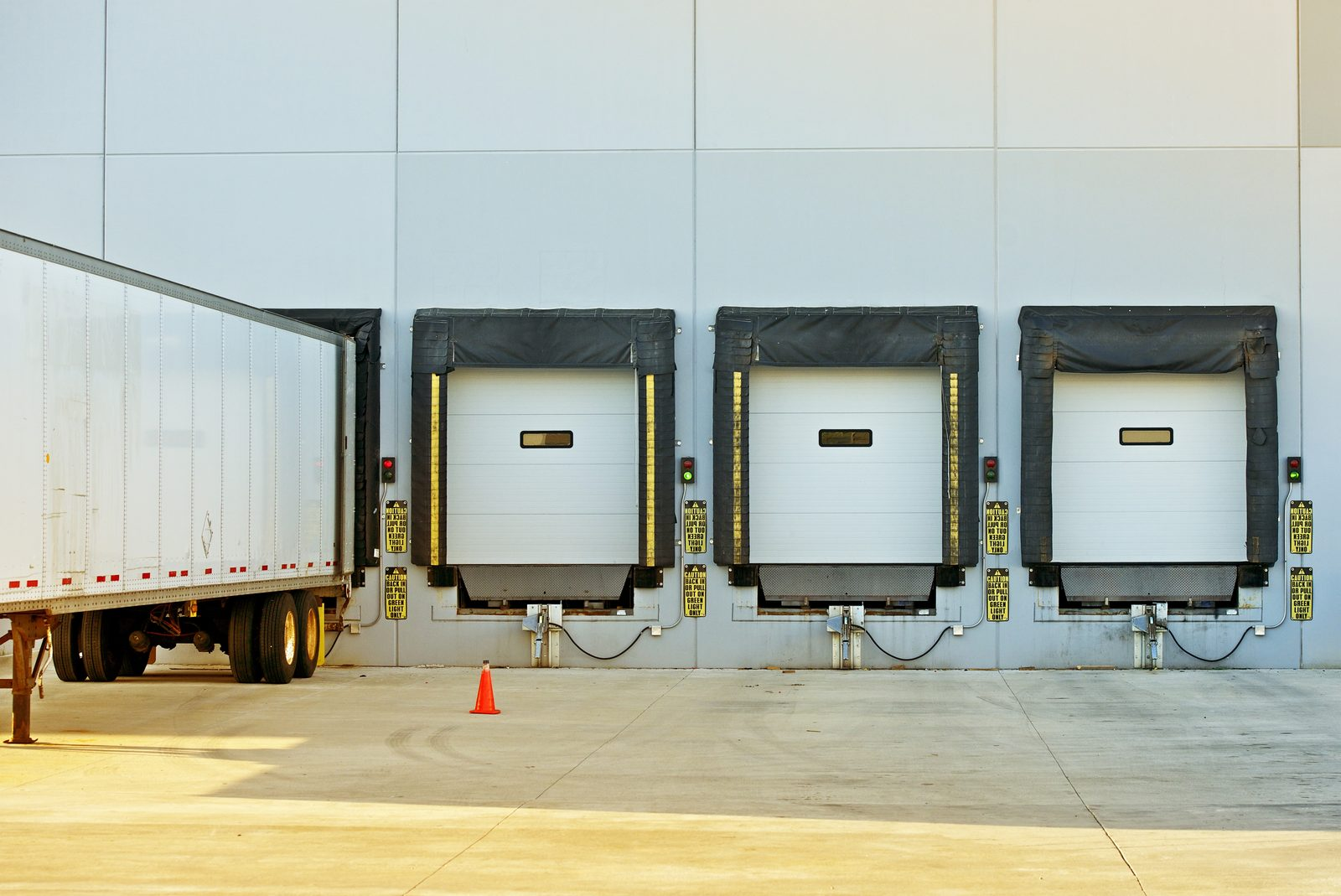
The dock is the busiest and most exposed part of any warehouse. Doors are open, pallets are staged, and people you do not know are walking through. Short shipments, mislabeled freight, and “accidental” extra pallets walking out with a driver are all dock problems. A dock without eyes on it is a dock that quietly leaks.
Shift changes and after hours
The handoff between shifts is a classic gap. Doors get unlocked for the incoming crew, alarms get disarmed, and nobody is quite sure who is responsible for the building in those twenty minutes. After hours is the opposite problem. A building with no one in it, a dark yard, and a few hundred thousand dollars of inventory is an invitation.
Inside access
This is the uncomfortable one. A meaningful share of inventory loss in warehouses comes from people who already have a badge or a key. That does not mean your team is full of bad actors. It means access should be tracked, limited, and reviewed like any other asset. When everyone can get to everything, you lose the ability to figure out what happened.
The yard and the perimeter
Trailers, equipment, copper, catalytic converters, fuel, and pallets of anything that resells easily all live in the yard. Industrial properties on the edges of town tend to have long fence lines, poor lighting, and not much foot traffic after dark, which is exactly what someone with a truck and a plan is looking for.
Start With a Walk, Not a Purchase
Before you buy a single camera, walk the property the way a thief would. Do it once at midday and once at dusk. Ask yourself a few plain questions.
Where could someone get in without being seen from the street or from inside the building? Which doors do employees prop open, and why? Where do trailers sit overnight, and who can see them? Is the lighting actually working, or has half the yard been dim since last winter? What happens at the gate when a driver shows up and the dispatcher is on a call?
That walk will tell you more than any sales brochure. It also gives you a short list of real problems to solve, which keeps you from overspending on things that look impressive but do not address how you lose product.
The Layers That Actually Work
No single tool protects a warehouse. The facilities that stay out of trouble stack a few simple layers so that if one fails, another catches it.
Visible deterrence
A uniformed guard at the gate or the dock changes behavior before anything happens. Drivers check in properly. Employees follow the process. Would-be thieves look at a different building. Deterrence is the cheapest form of security because it prevents the incident instead of documenting it.
If you are weighing options on staffing, our breakdown of spot patrolling versus on-site security guards lays out where each one makes sense. Short version: patrols are good at checking, but a guard on the property is good at stopping.
Access control and check-in
A clean check-in process at the gate does a lot of quiet work. Log every driver, vendor, and visitor. Match the truck and trailer numbers to the paperwork. Confirm who they are here to see before the gate opens. This is routine for a trained guard, and it takes a real burden off your dispatch and warehouse staff, who have enough to do.
Cameras with someone watching them
Cameras are great at proving what happened. They are far less useful at stopping it unless a person is looking. A camera system that only gets reviewed after a loss is a record, not a defense. Pairing cameras with live monitoring changes that. We wrote about how live video monitoring stops crime before it happens, and the same logic applies to a big, quiet warehouse yard at night.
Lighting and layout
This part is boring and it works. Bright, even lighting along fence lines, dock doors, and trailer parking removes the shadows people rely on. Keep brush and stacked pallets away from the fence so nobody can hide behind them or use them as a step. Good sight lines make every other layer better.
Key, badge, and alarm discipline
Know who has keys. Change codes when people leave. Review badge logs on a schedule instead of only after a problem. Make sure alarm zones match how your building is actually used, because zones that trigger constantly get ignored.
Guards, Virtual Guarding, or Both?
Here is where many warehouse managers get stuck. Full-time guards cost more than a camera system, and a camera system alone leaves gaps. The right answer depends on your hours, your inventory value, and how much of your risk is at the dock versus the perimeter.
On-site guards are the right call when you have heavy daytime traffic, high-value freight, or a gate that needs a human being to make decisions. They check drivers in, watch the dock, walk the building, and respond when something is off. If you want to see what that looks like in practice, take a look at our on-site security services.
Virtual guard services make sense for the hours when the building is empty but the inventory is not. A trained operator watches your cameras live, can speak to anyone who should not be on the property over an audio system, and can call dispatch while the person is still there. For many facilities, that overnight and weekend coverage costs far less than a physical post. You can read more about virtual guard services and how they work.
Plenty of warehouses end up with a blend. A guard covers the busy daytime dock and gate, and virtual monitoring covers nights, weekends, and holidays. It is a practical way to protect the whole week without paying for a staffed post when nothing is moving.
Armed or unarmed?
Most warehouses do well with unarmed guards whose job is to observe, deter, check people in, and report. Armed coverage tends to be reserved for facilities with very high-value or sensitive inventory. If you are not sure which fits, our post on the difference between armed and unarmed security guards is a good place to start, and we are always glad to talk through your specific site.
Colorado Springs Specifics Worth Planning For
A few local realities shape how you should think about warehouse security here.
Winter matters. Short days mean your yard is dark for a big chunk of the workday, and snow can hide fence damage, footprints, and tire tracks until the thaw. Lighting that was fine in July can leave serious gaps in December, so check it when the days get short.
Growth matters too. The Colorado Springs area keeps adding industrial space and logistics traffic, and with more trucks and more strangers comes more opportunity for things to go missing. Facilities that were quiet a few years ago can look very different now, and a security plan written for the old version of your site may not fit the new one.
And response time matters. Whatever you set up, you want a clear plan for who gets called and how quickly someone can be on site. A camera that spots a problem is only helpful if a real person acts on it right away.
A Simple Warehouse Security Checklist
Use this as a starting point for your own walk-through.
- Do you log every driver, vendor, and visitor at the gate, with truck and trailer numbers?
- Is the loading dock supervised during every shipment, not just some of them?
- Are shift changes handled with a clear owner for opening and locking up?
- Do you know exactly who holds keys, badges, and alarm codes, and are they reviewed regularly?
- Is your yard lighting working along the fence line, dock doors, and trailer parking?
- Are trailers and equipment parked where they can be seen, with high-value loads kept inside the fence?
- Does someone actually watch your cameras when the building is closed?
- Do you have a written plan for who responds when an alarm goes off at 3 a.m.?
If you answered no to more than a couple of those, you have found your first projects. None of them require a massive budget. Most just require a decision and a little follow-through.
What Good Security Feels Like Day to Day
When a warehouse security plan is working, you mostly forget about it. Drivers check in without drama. The dock runs on schedule. Counts match. The yard is lit, the gate is controlled, and the building is watched when no one is in it. Your team spends less time worrying about the property and more time moving product, which is the whole point.
The goal is not to turn your facility into a fortress. It is to close the handful of gaps where most losses happen and to make sure someone is paying attention when it counts.
Frequently Asked Questions
How much does warehouse security cost?
It depends on the size of your site, your hours, and whether you use on-site guards, virtual monitoring, or a mix. Virtual coverage for nights and weekends usually costs far less than a staffed post, which is why many facilities combine the two. A quick site visit is the best way to get an accurate number.
Do I need guards if I already have cameras?
Cameras are a good foundation, but they mostly record what happens. A guard on site or an operator watching live video is what turns that footage into prevention. Most warehouses see the best results when cameras and people work together.
What is the biggest security gap at most warehouses?
The loading dock and the gate are the most common trouble spots, followed by shift changes and after-hours coverage. These are the places where people, paperwork, and product all cross paths, so they deserve the most attention.
Can virtual guarding replace a physical guard?
For some hours and some sites, yes. It works well for empty buildings, overnight shifts, and weekends. It is less suited to a busy gate or dock that needs a person to check in drivers and make decisions in the moment, which is why many facilities use both.
How do I know which level of security my warehouse needs?
Start with a walk-through of the property and a look at where you have actually lost product. The answer usually points to a few specific gaps, and a good security partner will help you cover those without selling you more than you need.
Let’s Take a Look at Your Property
If you are not sure where your warehouse is exposed, we are happy to walk the site with you and talk through what makes sense. No pressure and no jargon. Learn more about our industrial and warehouse security guards or reach out to Vigilant Tiger Security and we will help you build a plan that fits your facility and your budget.
Written By:
NLA Media
